Thanh Ha Pottery Village - From clay to cultural heritage
By the Thu Bon River, clay takes shape in the hands of artisans, becoming pottery that carries the story of a nearly 500-year-old craft village.

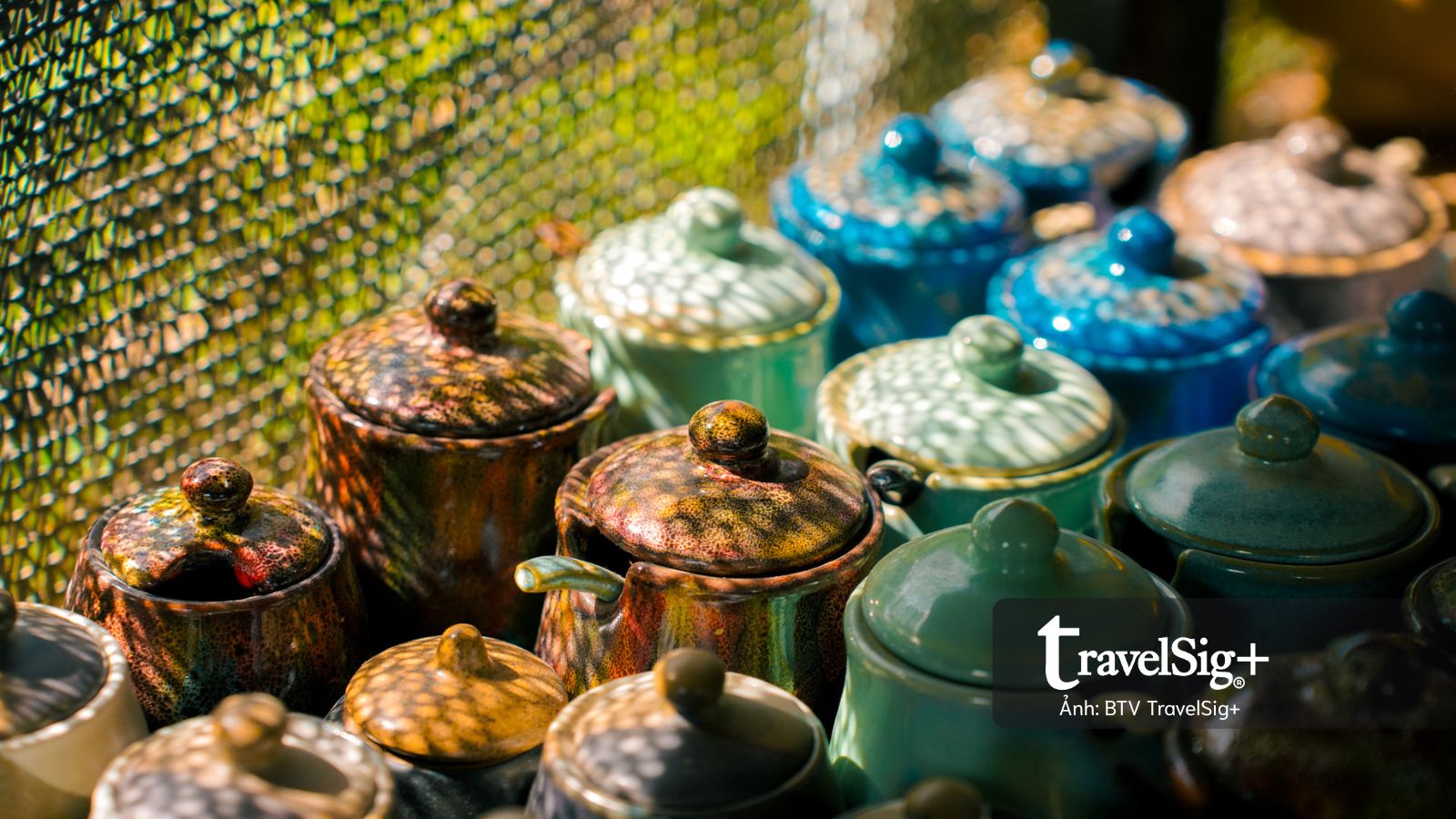
A pottery village that grew alongside Hoi An’s trading port
Leaving Hoi An Ancient Town and heading west for a few kilometers, the bustle gradually gives way to low-roofed houses glimpsed behind rows of trees, courtyards filled with terracotta products, and the steady sound of pottery wheels. By the Thu Bon River, Thanh Ha Pottery Village still follows the rhythm of a craft village that has been connected to Hoi An for nearly 500 years.
Today, Thanh Ha Pottery Village is located in Nam Dieu Quarter, Hoi An Tay Ward, Da Nang City. Traditional pottery production is concentrated mainly in Nam Dieu, alongside areas where pottery, brick, tile and other terracotta products were once made in Thanh Chiem, An Bang, Hoa Yen and Hau Xa.
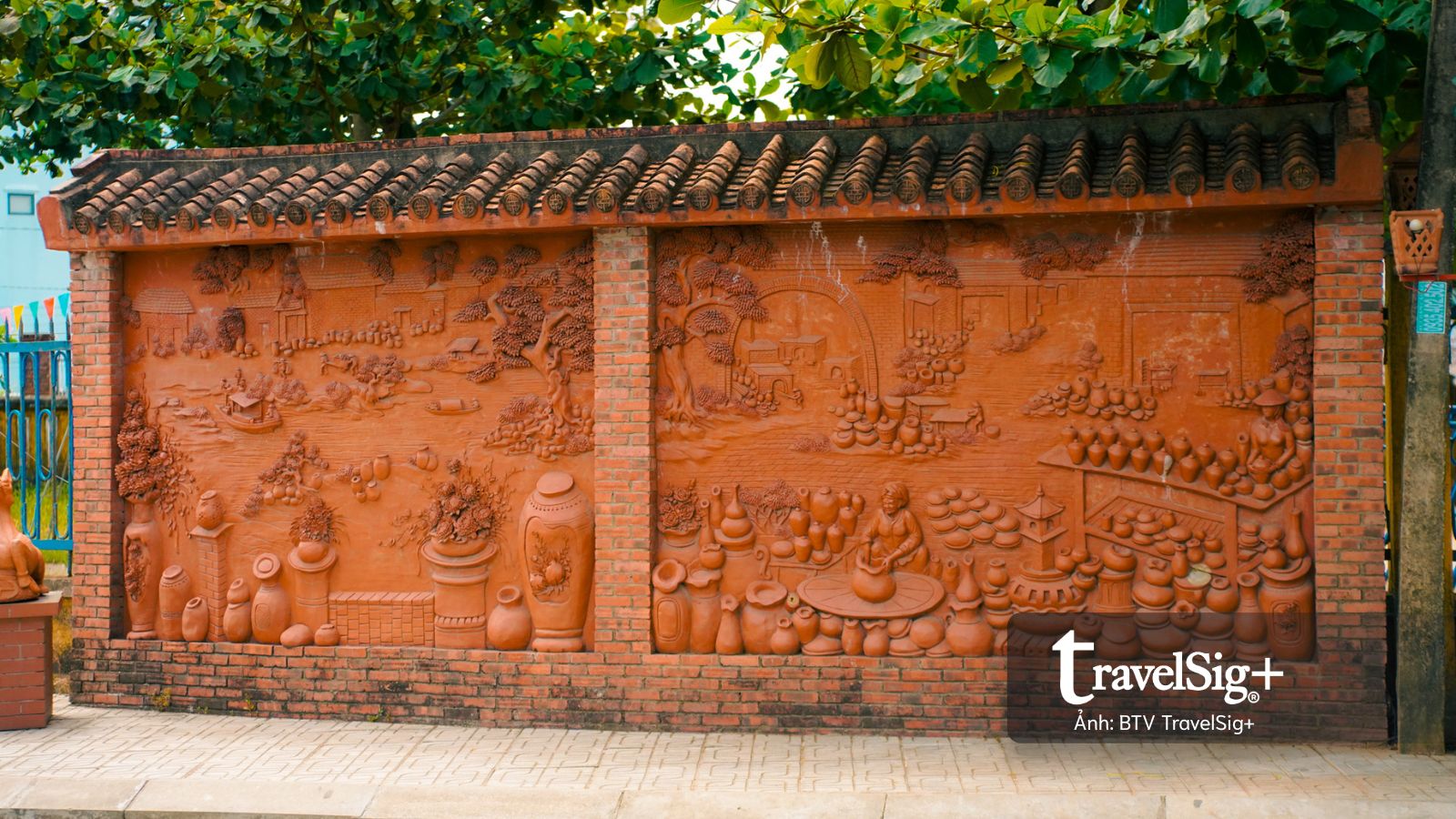
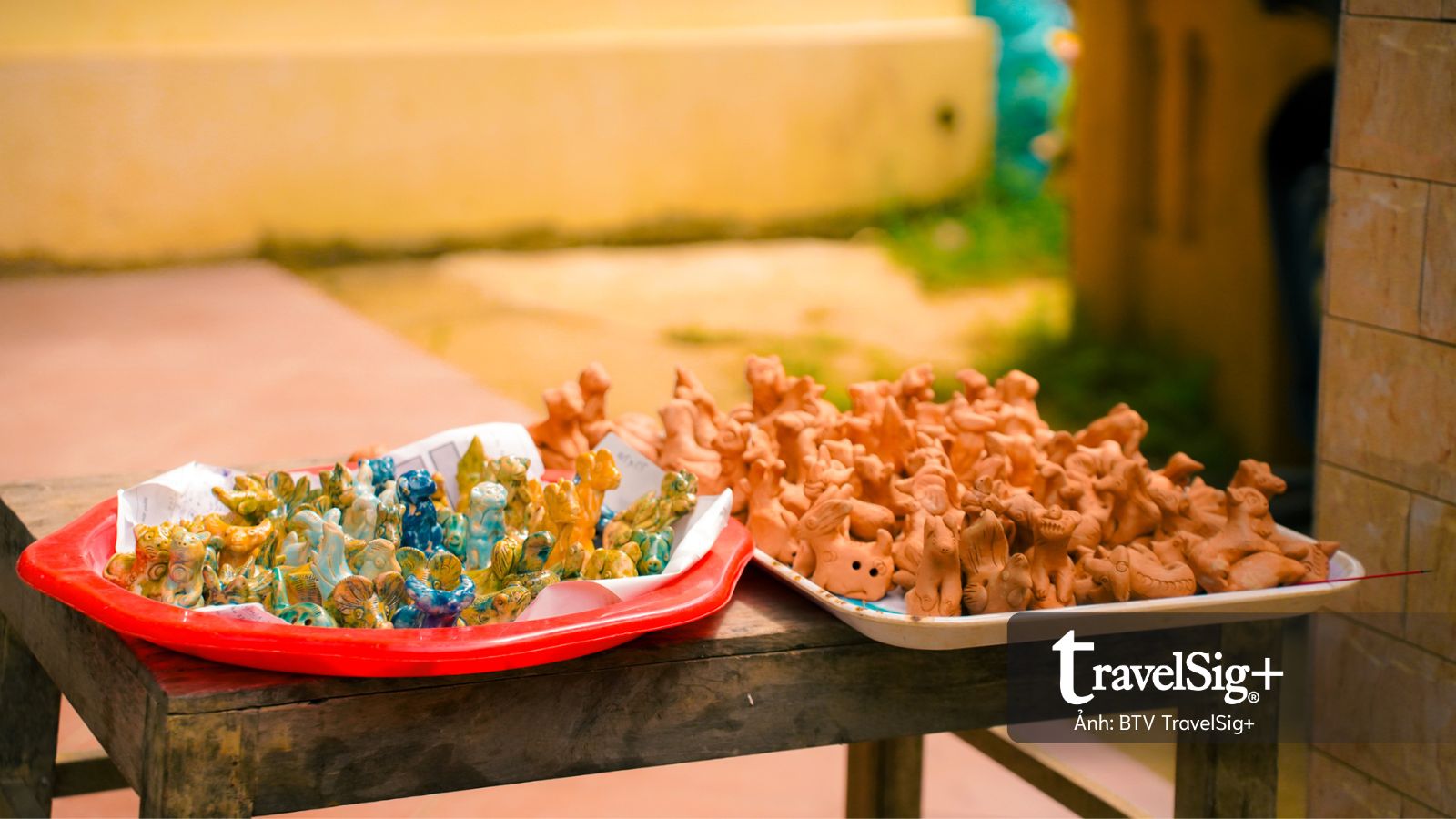
Although there are no records that precisely identify when the craft first appeared, studies of Hoi An’s heritage show that pottery making here has a long history of development closely connected to the growth of Hoi An’s trading port. Over many generations, artisans have created everyday products such as pots, cooking pots, jars, large storage vessels, flower pots and bowls and plates, as well as bricks and tiles used in construction. These products helped shape the material landscape of old Hoi An.
Its location along the river played an important role in the survival of the craft village. The Thu Bon River was once a natural transportation route, bringing raw materials, goods and people to Hoi An. For a craft that requires clay, firewood, kilns and access to markets for its products, being close to the river offered Thanh Ha a major advantage during the years when the trading port was still thriving.
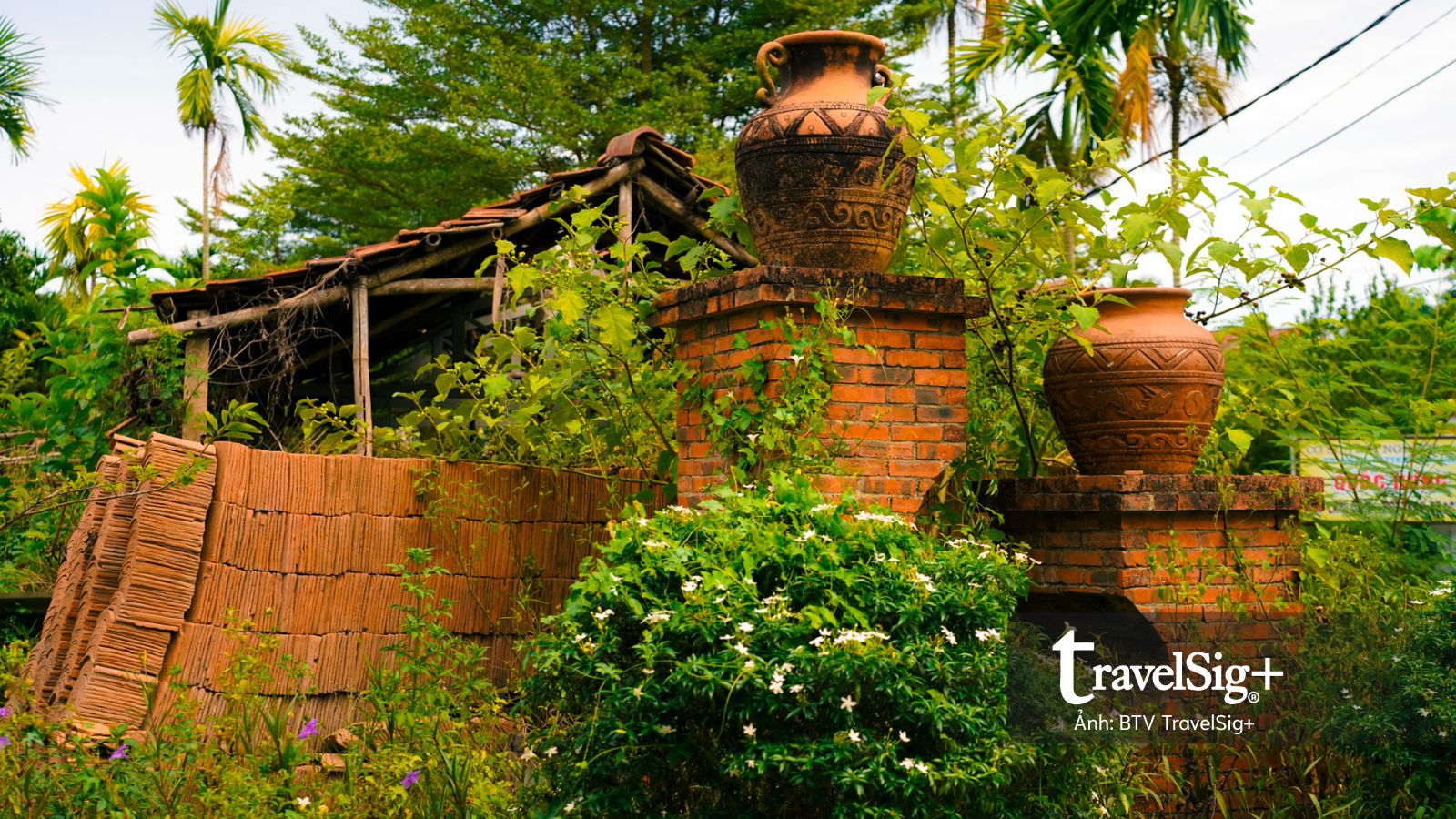
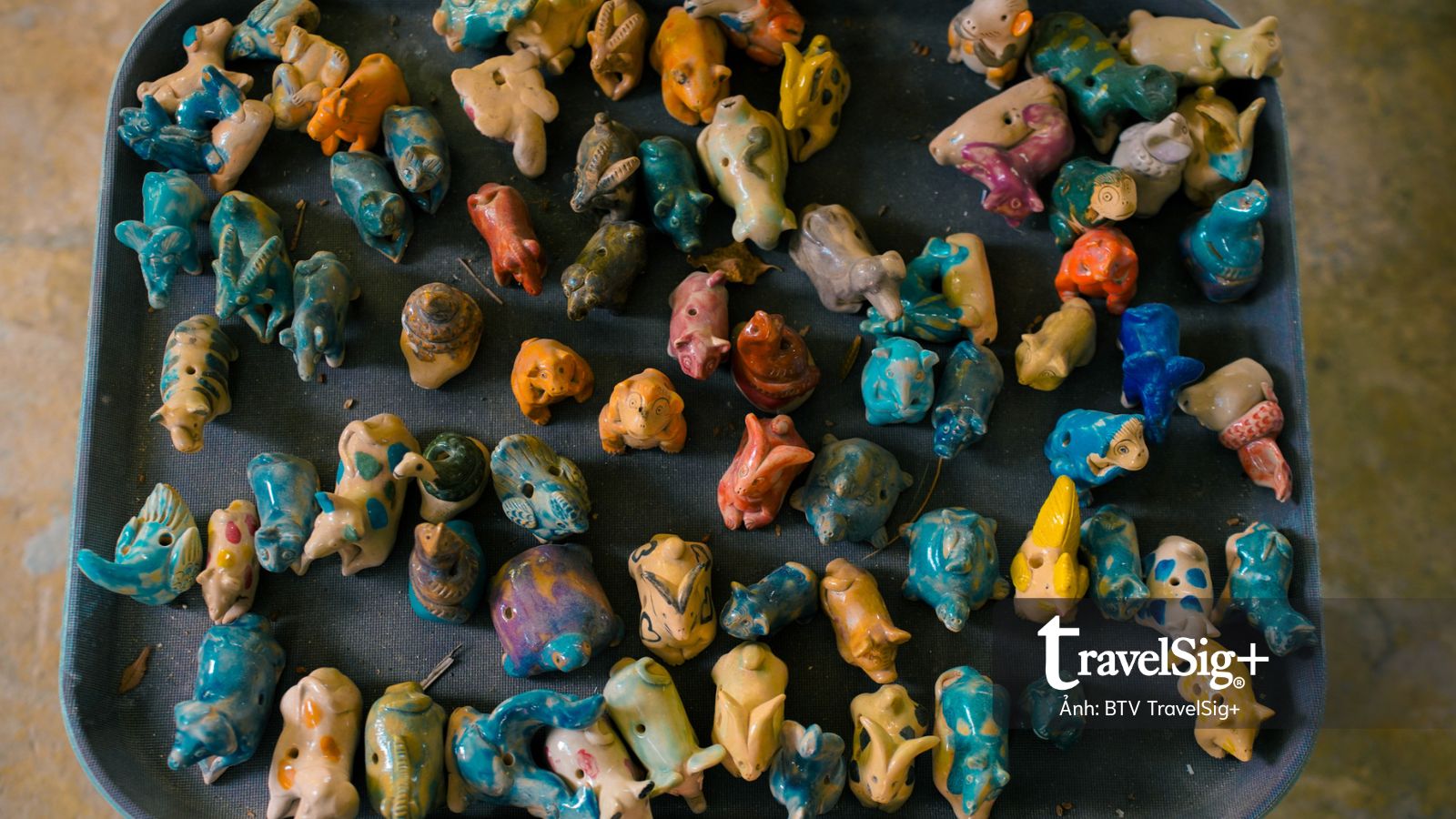
Today, small roads winding between houses and production workshops, terracotta products arranged along verandas, pottery kilns and drying yards still preserve the village’s simple character. The craft does not exist in a separate exhibition space but remains part of everyday life.
This is also what makes Thanh Ha a special destination in Hoi An. In 2019, Thanh Ha pottery making was recognized as a National Intangible Cultural Heritage. In 2025, the village was further honored in the category of “Best Community Tourism Destination” at the Vietnam Tourism Awards. In 2025 alone, Thanh Ha welcomed more than 251,000 visitors, including more than 224,000 international visitors.
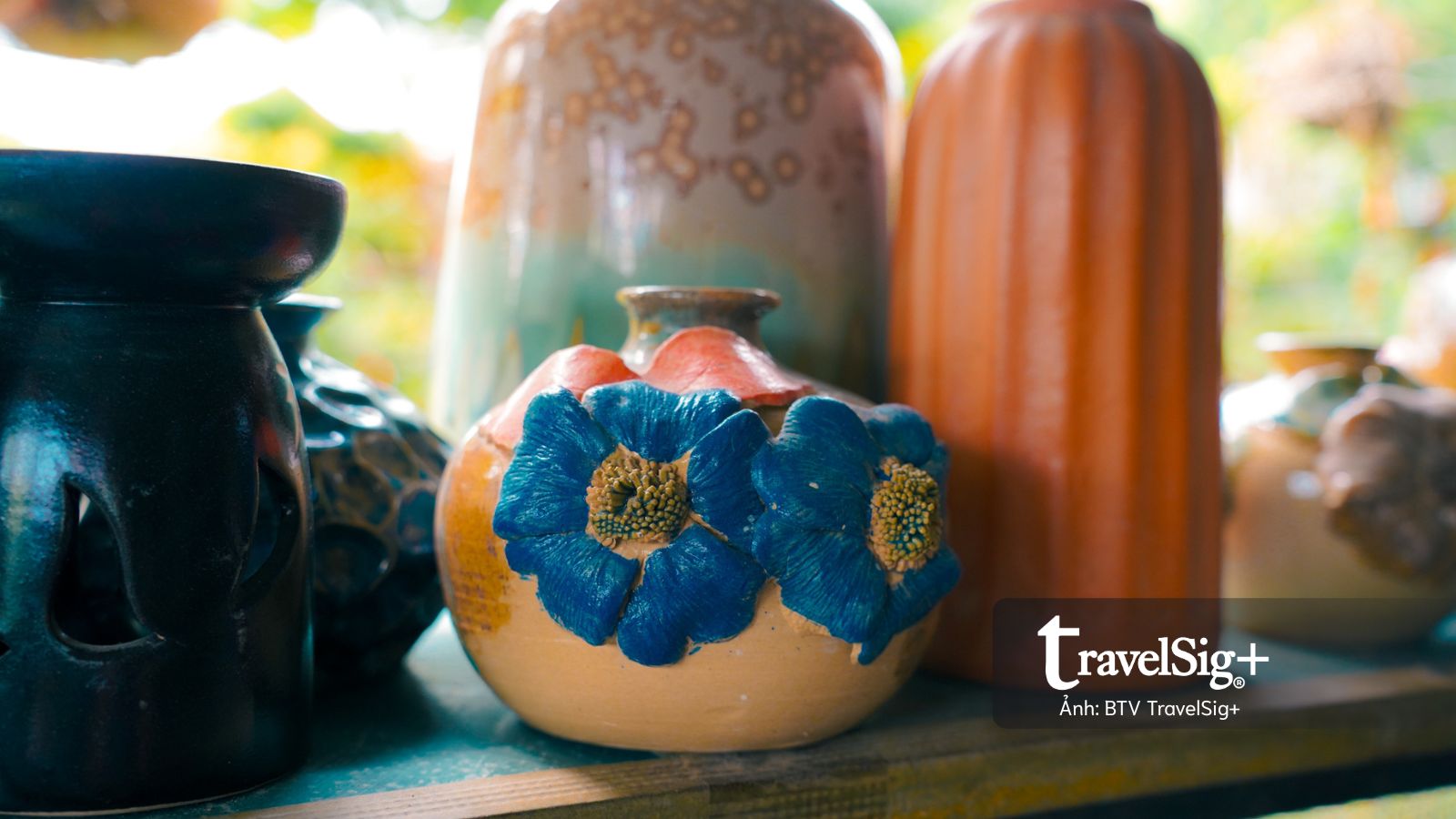
Alongside the craft village itself, Thanh Ha Terracotta Park offers visitors another perspective on the art of terracotta. Buildings, models and artworks made from clay bring the familiar material of the village into a broader exhibition space, where traditional beauty meets contemporary creativity.
Making pottery and creating pieces with a personal touch
Pottery making requires a great deal of patience and skill, but to understand why, you need to place your hands directly on a soft piece of clay on the pottery wheel.
Before shaping, the clay must be processed until it reaches the right level of softness and elasticity. Yellow clay is the main material used in Thanh Ha pottery, known for its high plasticity and strong ability to bind. In the past, clay was often extracted from riverside areas around Thanh Ha. Today, clay is brought in from several nearby areas, such as Thanh Quyt and Thi Lai.
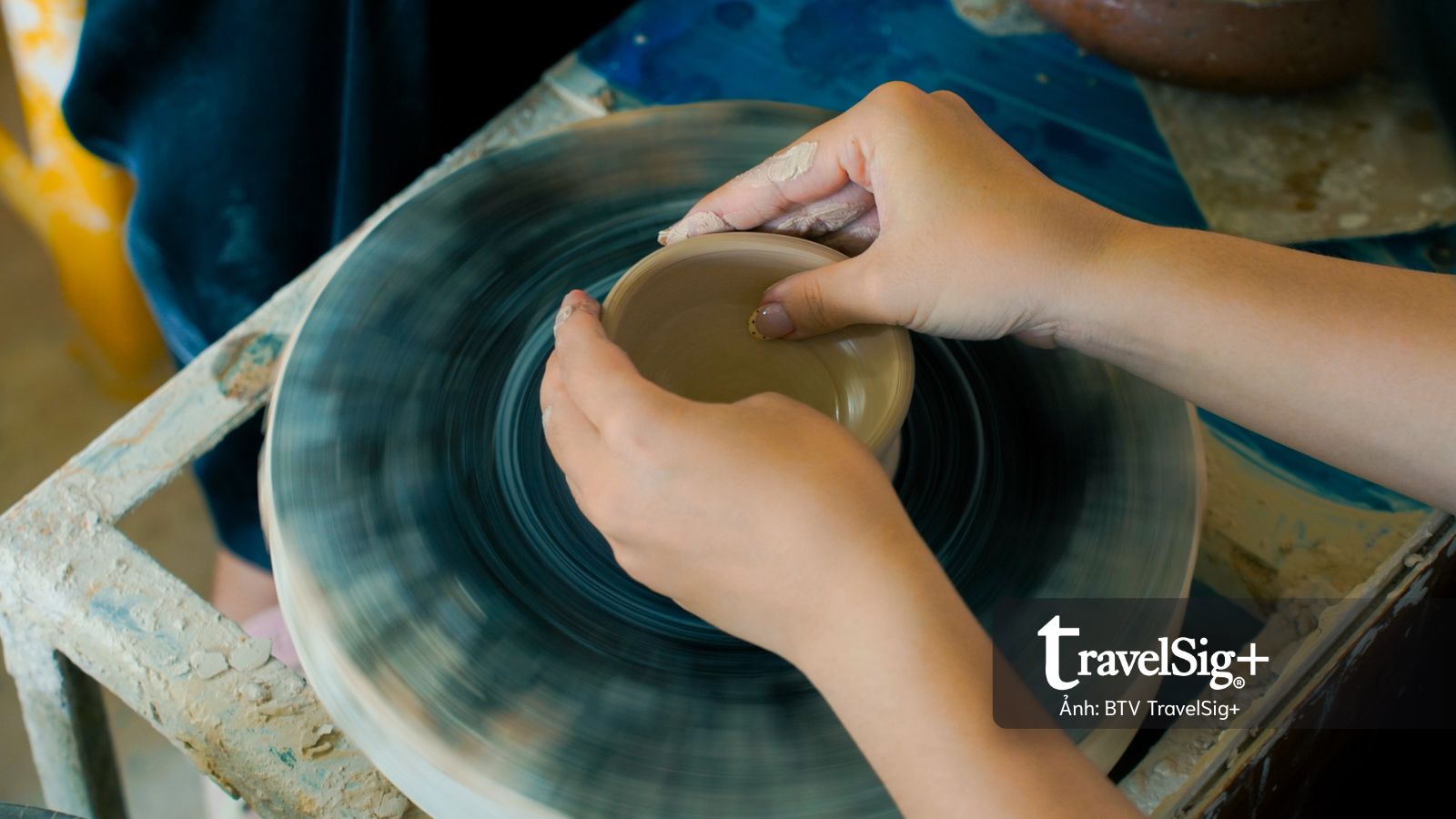
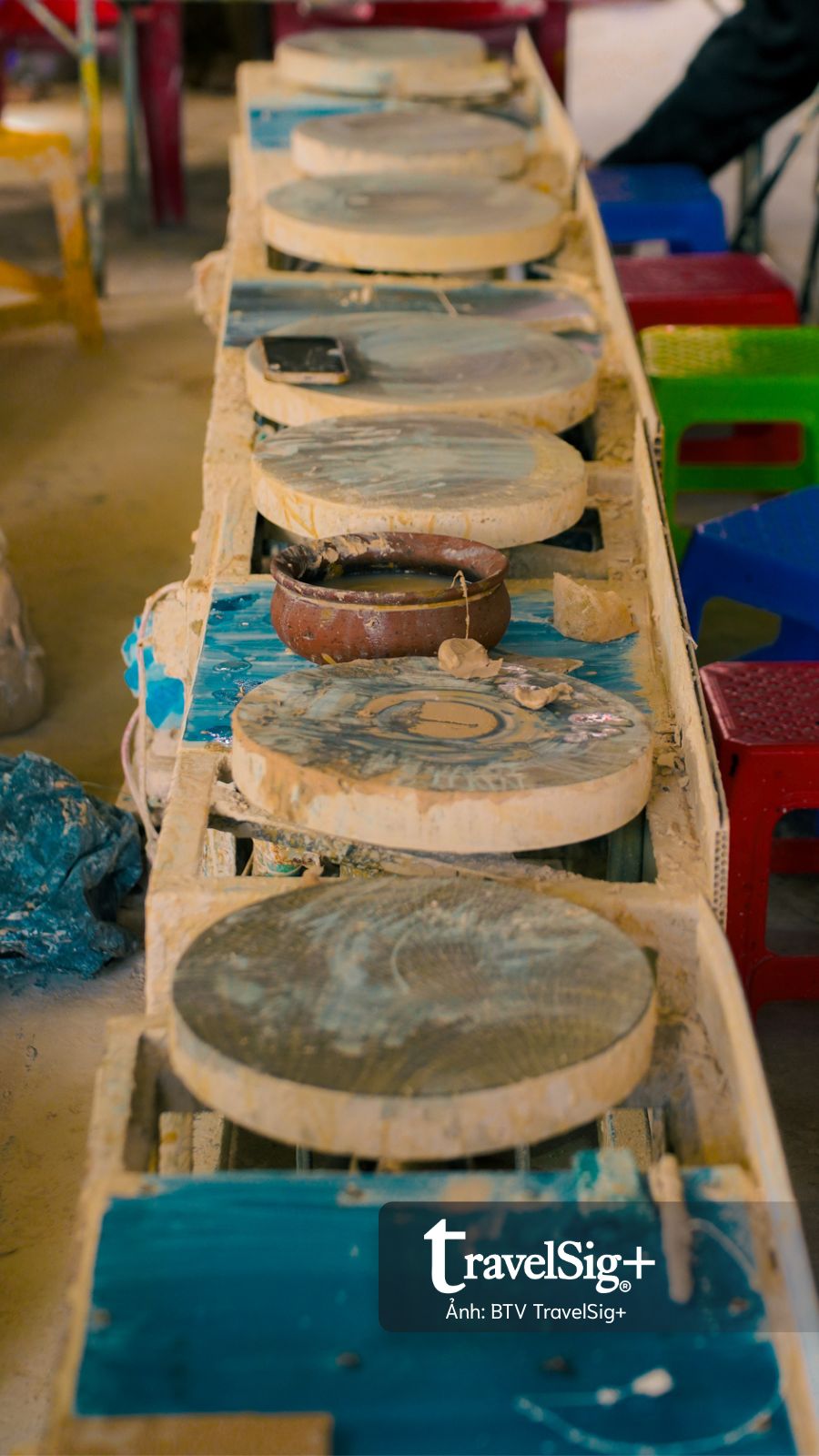
Visitors can try shaping pottery themselves on a wheel with the help of local artisans. A small lump of clay is placed in the center, with a little water added to make the surface smooth. As the wheel begins to turn, both hands work at the same time, holding, pressing and smoothing the clay to raise or lower the walls, widen the inside or mouth, or make them narrower.
Watching an artisan work, everything seems effortless. It is only when you try it yourself that you realize clay does not easily obey. Even a small change in the pressure of a finger can make the wall of the pottery lean to one side. The wheel keeps turning steadily, while the maker has to learn how to keep their hands and the movement of the clay in the same rhythm.
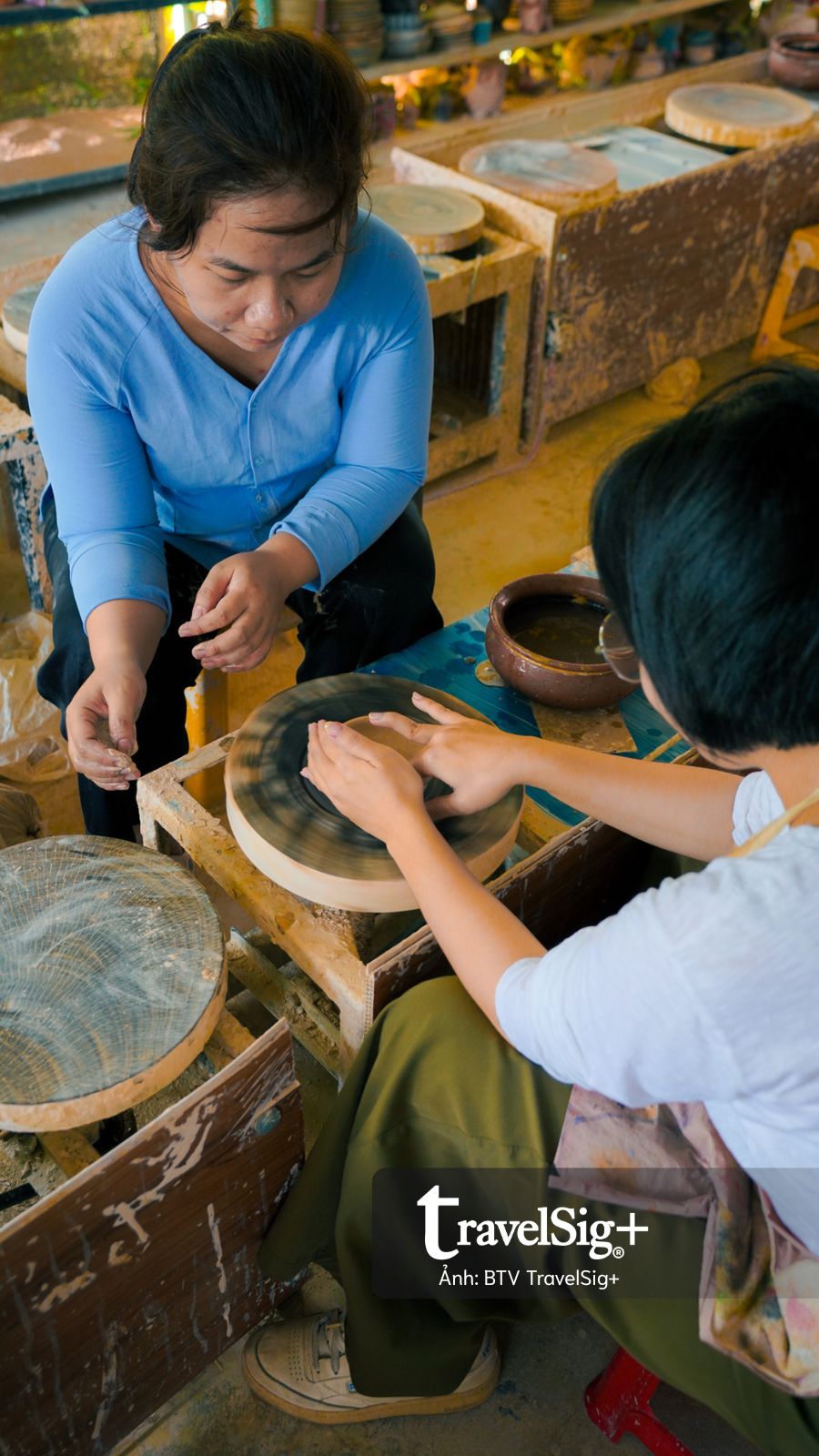
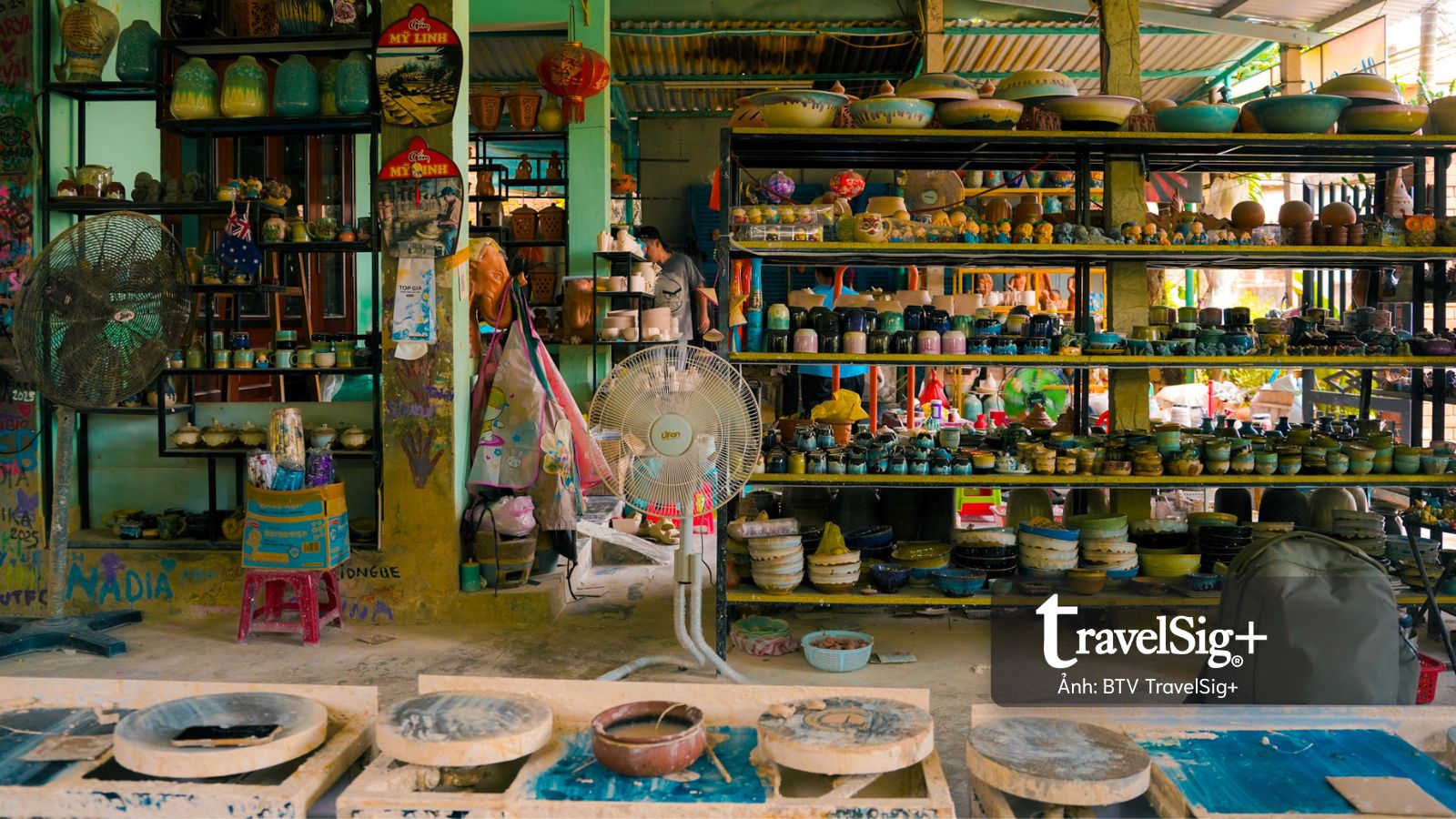
This is what makes the experience in Thanh Ha so appealing. Visitors do not simply stand outside and watch a craft that has existed for generations. They can directly take part in the shaping process. The finished pieces are then completed and fired in the kiln.
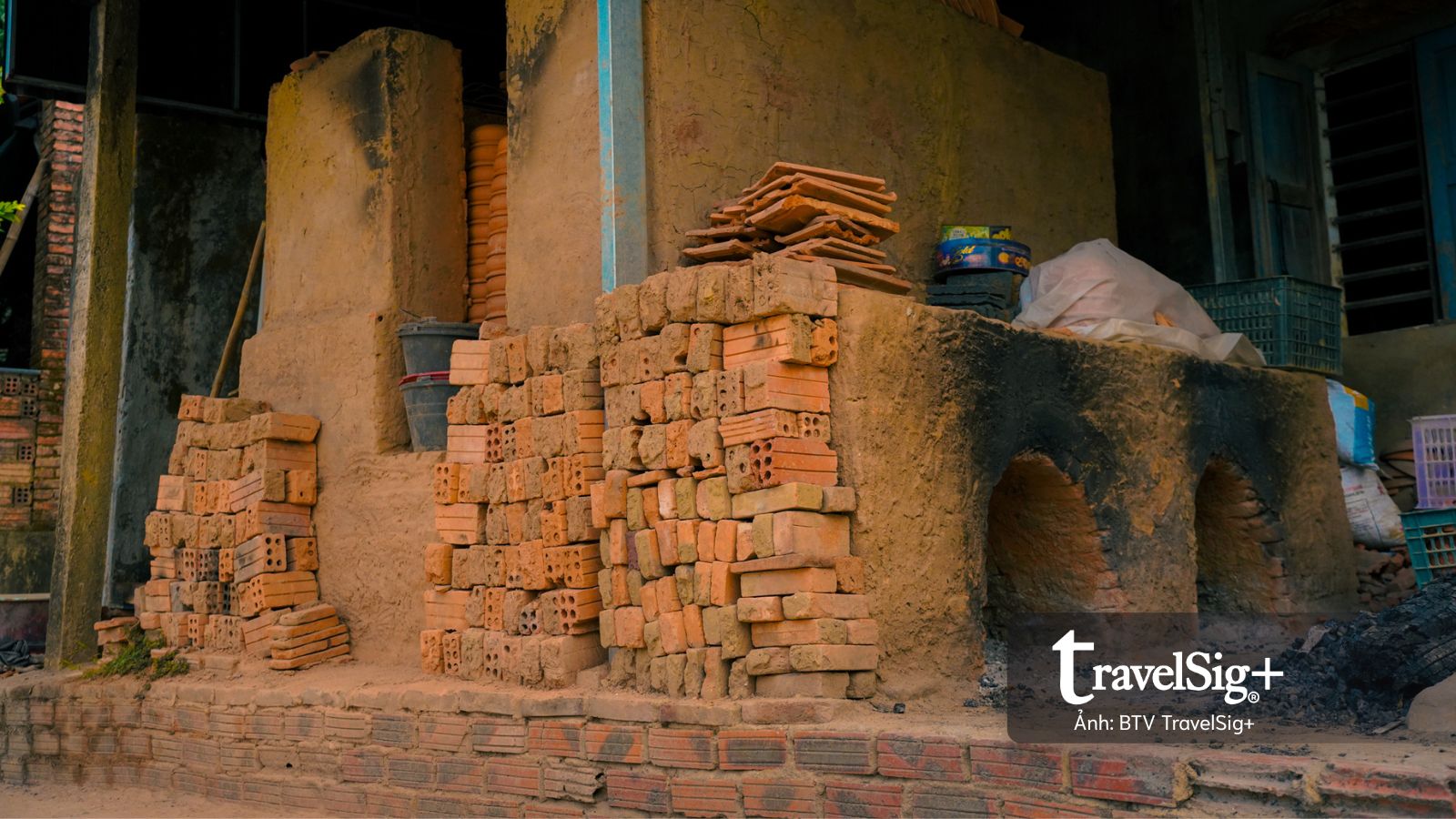
Traditional Thanh Ha pottery once used two distinctive types of kilns, known as the upward-firing kiln and the downward-firing kiln, which were operated differently depending on the type of product. The firing process transforms soft clay into solid objects that can be used for a long time. The color of the clay, kiln temperature, firing time and changes during the firing process all contribute to the final appearance. A finished piece does not always look exactly as originally imagined, but these traces and changes are precisely what give each object its own character.
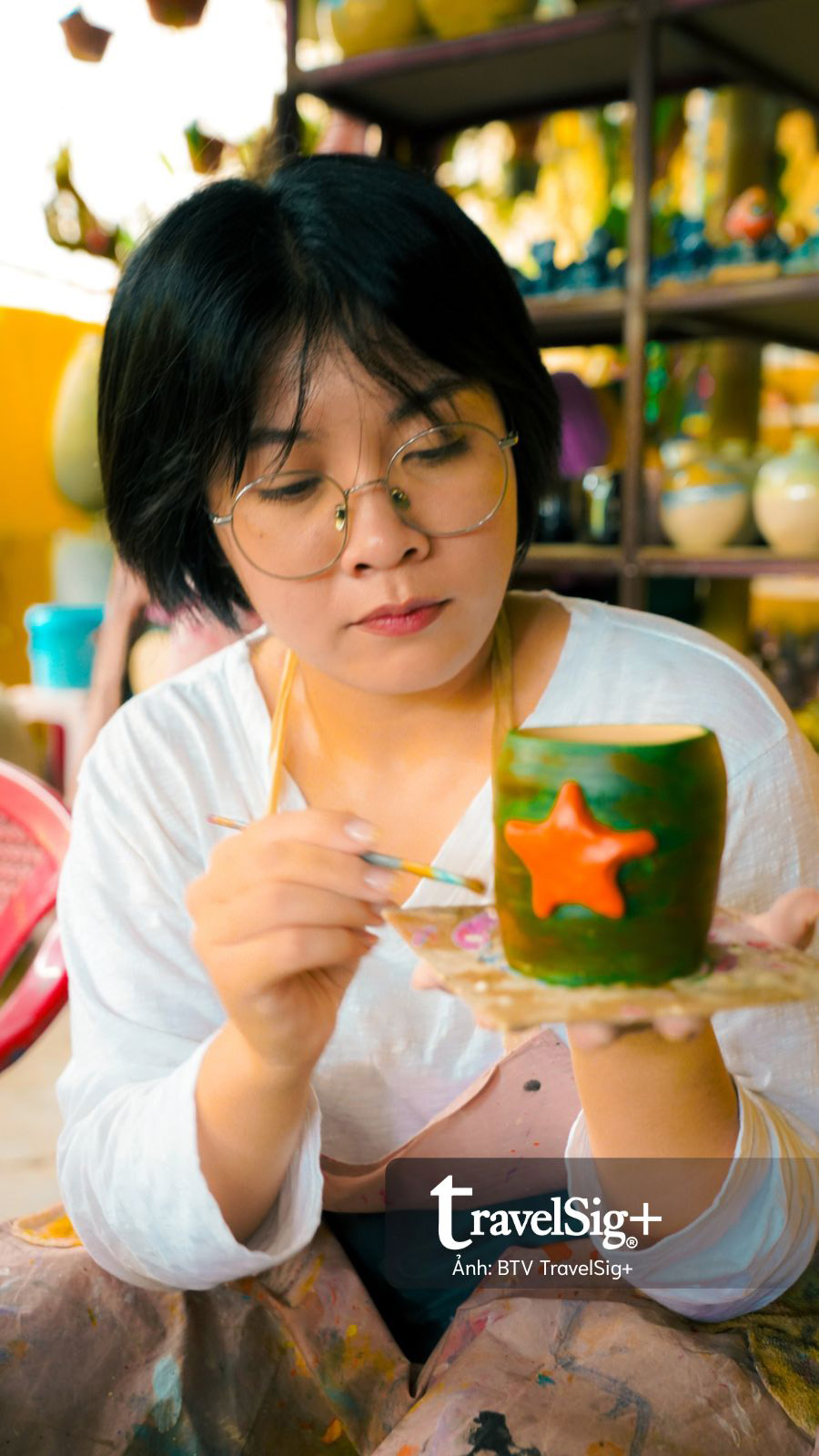
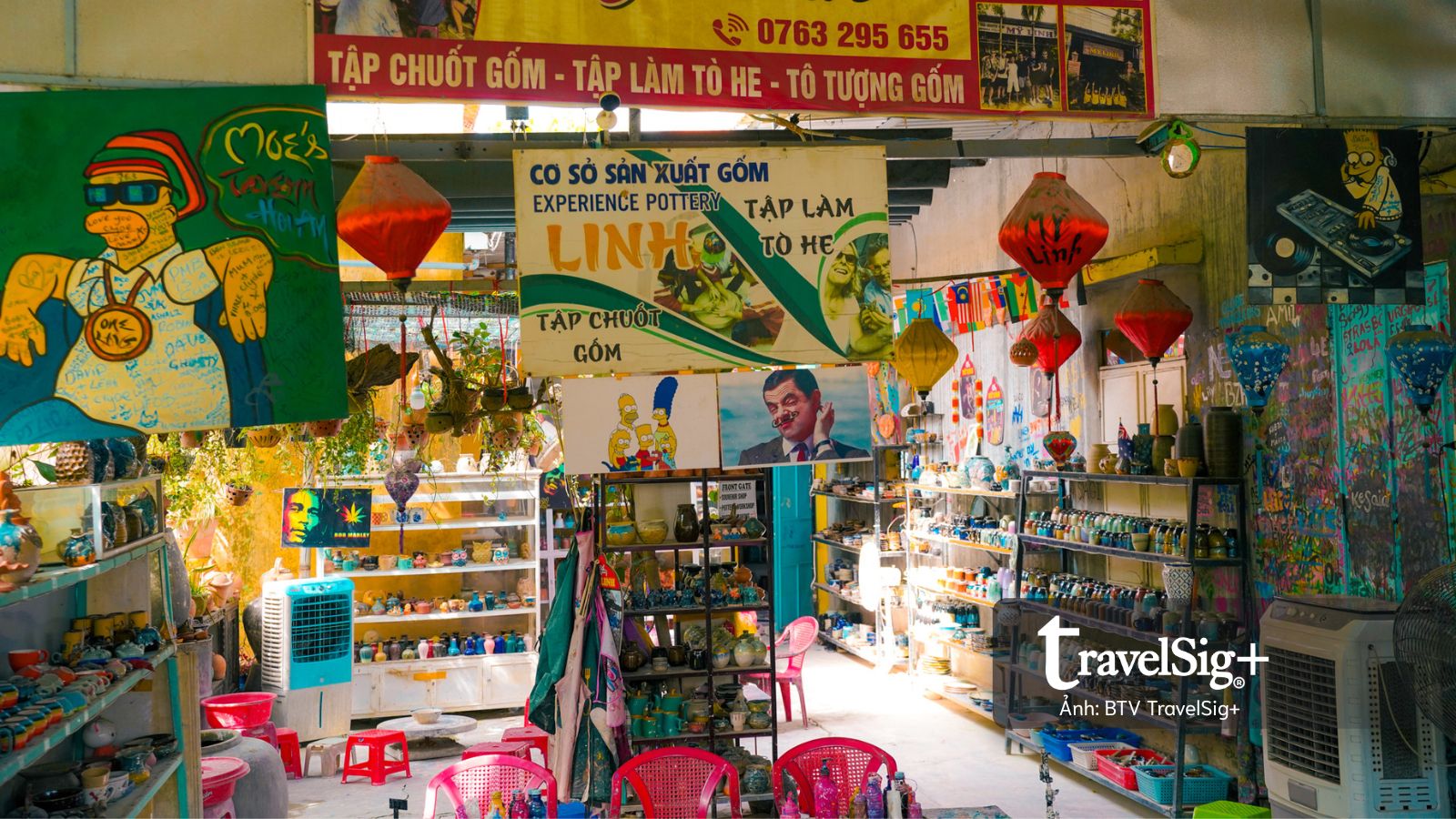
After the experience, visitors can walk around the production workshops to see household items, decorative objects, animal figures and other small products shaped from clay. Many choose to take home a piece of pottery they made themselves, as a way of keeping a part of their travel memories.
If there is time, the visit can continue to Thanh Ha Terracotta Park or take a leisurely walk deeper into the village’s small roads. There, the sound of pottery wheels, the smell of damp clay, batches of pottery waiting to be fired and the slow rhythm of the artisans at work allow visitors to feel more clearly how a traditional craft continues to be part of everyday life.

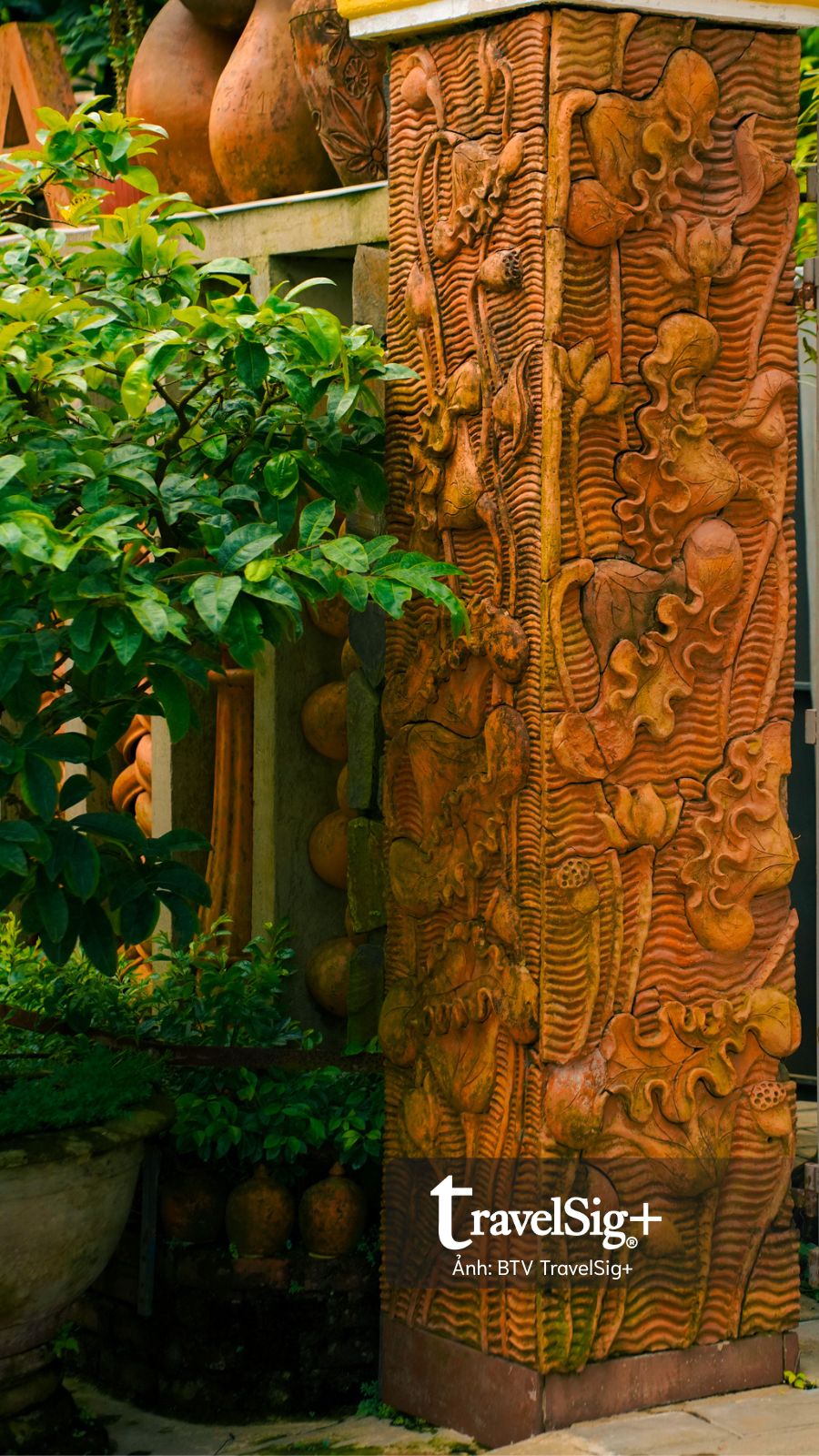
Thanh Ha has passed through many centuries alongside the changes of Hoi An. The merchant ships that once sailed down the Thu Bon River have now given way to vehicles bringing visitors to the craft village. Yet the clay is still shaped by the hands of artisans, the fire still glows inside the kilns, and the wheels still turn steadily. Perhaps the most beautiful way to understand Thanh Ha is not simply to look at a finished piece of pottery, but to sit down, place your hands on the clay and try to create a form of your own from the material that has sustained an entire village for generations.


CÓ THỂ BẠN SẼ THÍCH