Keeping the colors of Chợ Lớn’s glass paintings alive
In District 5, a small workshop keeps Chợ Lớn’s glass-painting heritage alive in new ways.

Memories behind the glass
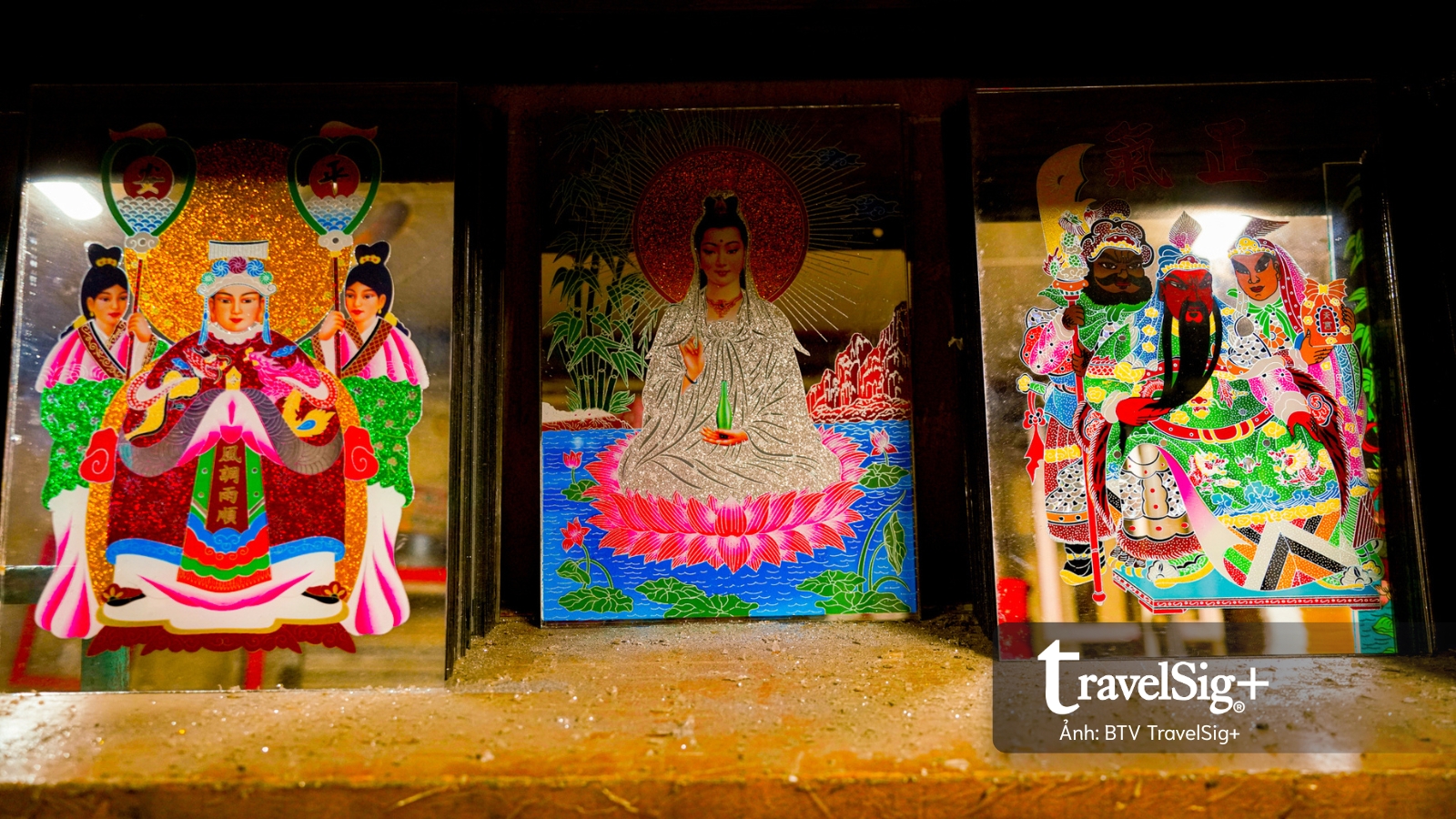
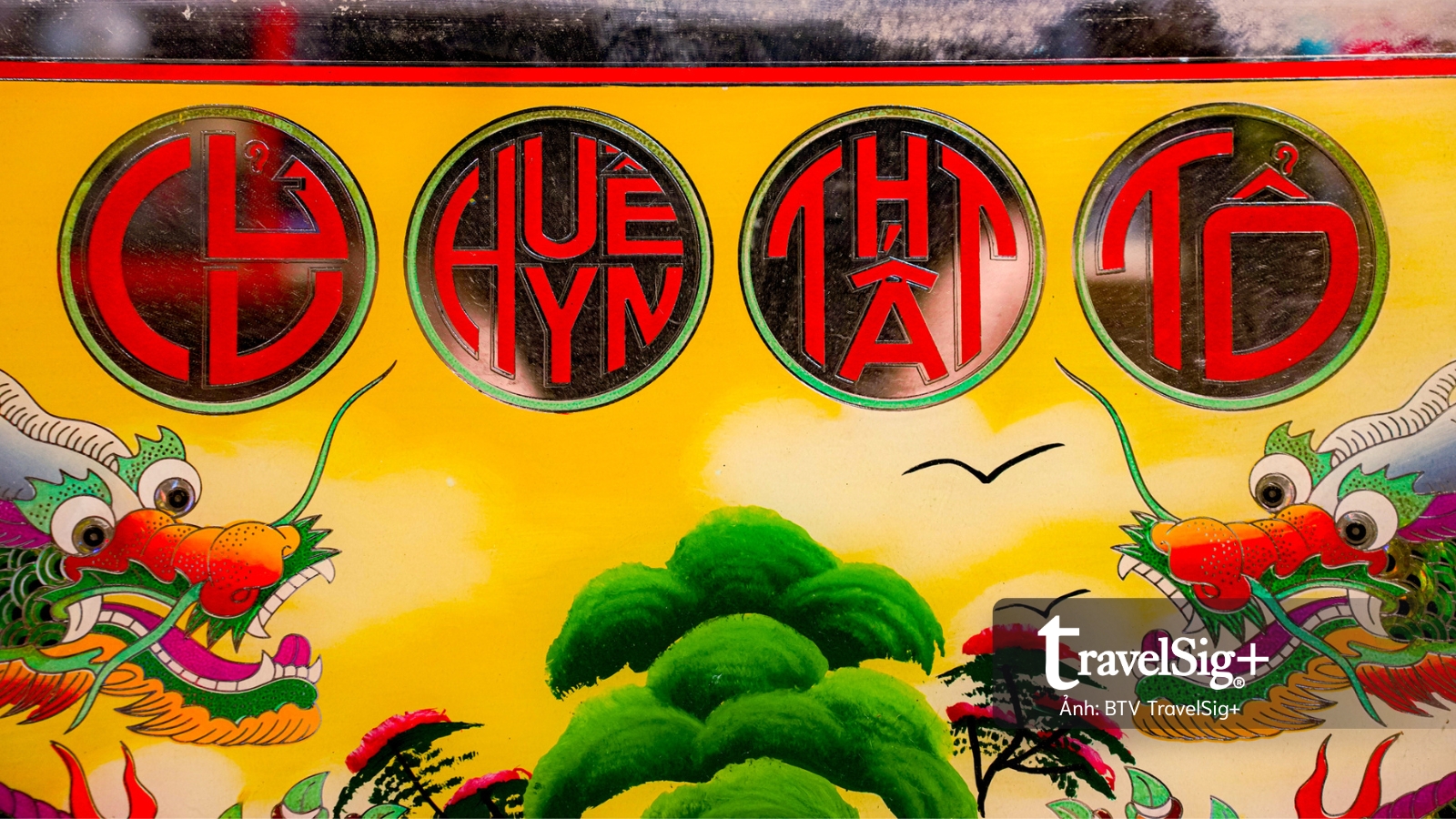
Once a familiar sight in Southern Vietnam’s places of worship, glass paintings have gradually faded from everyday life. Yet in Chợ Lớn, figures such as Quan Thánh, Quan Âm, Thần Tài, Thổ Địa and Cửu Huyền Thất Tổ still appear behind glass in vivid reds, yellows and blues, framed by intricate details.
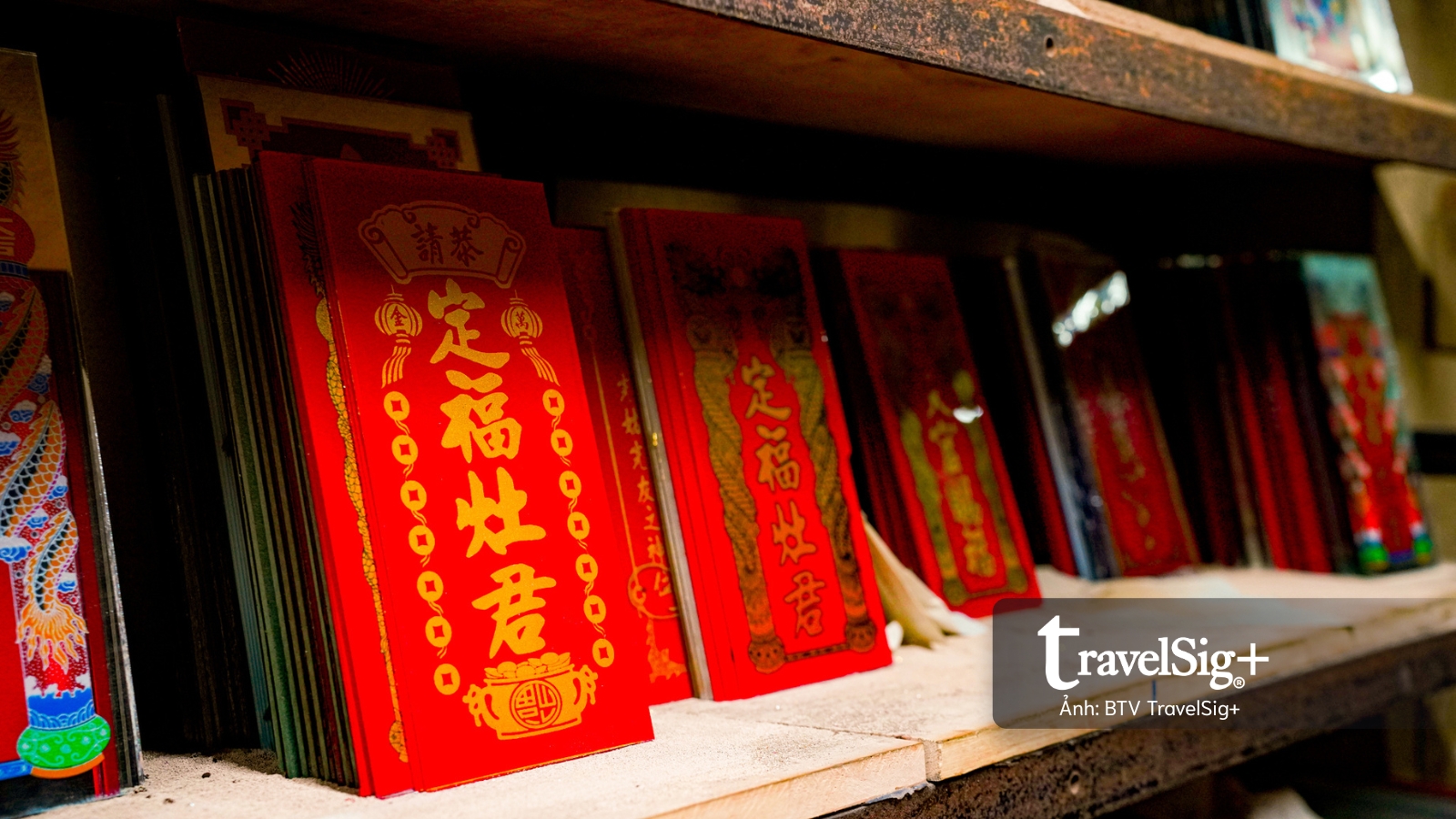
Glass paintings flourished in Southern Vietnam from the early 20th century, closely associated with the religious practices of Vietnamese, Chinese and Khmer communities. They were commonly placed on ancestral altars, in temples and communal houses, or displayed in homes during festivals and Lunar New Year, serving both as devotional objects and as expressions of wishes for peace, prosperity and good fortune.
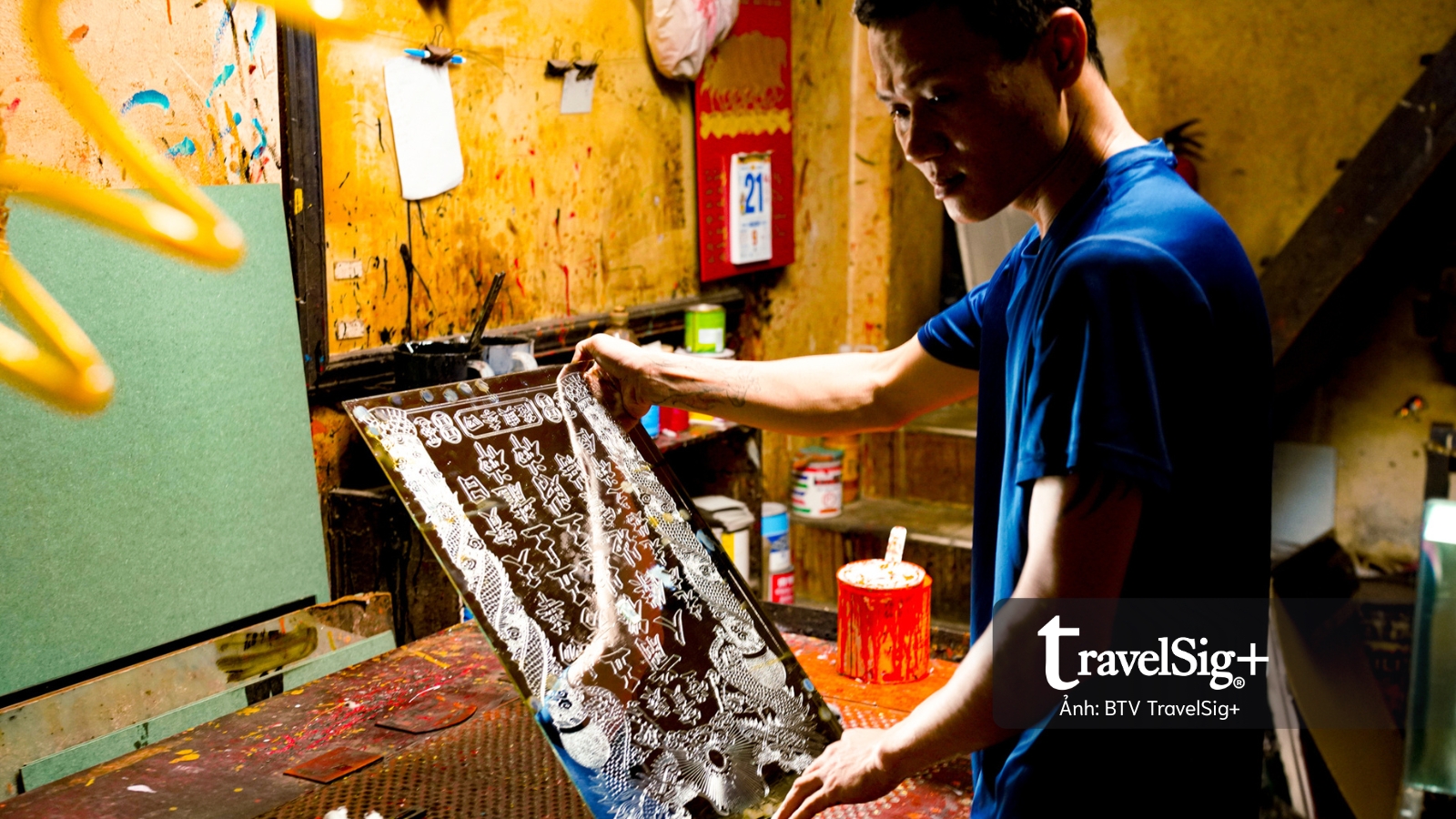
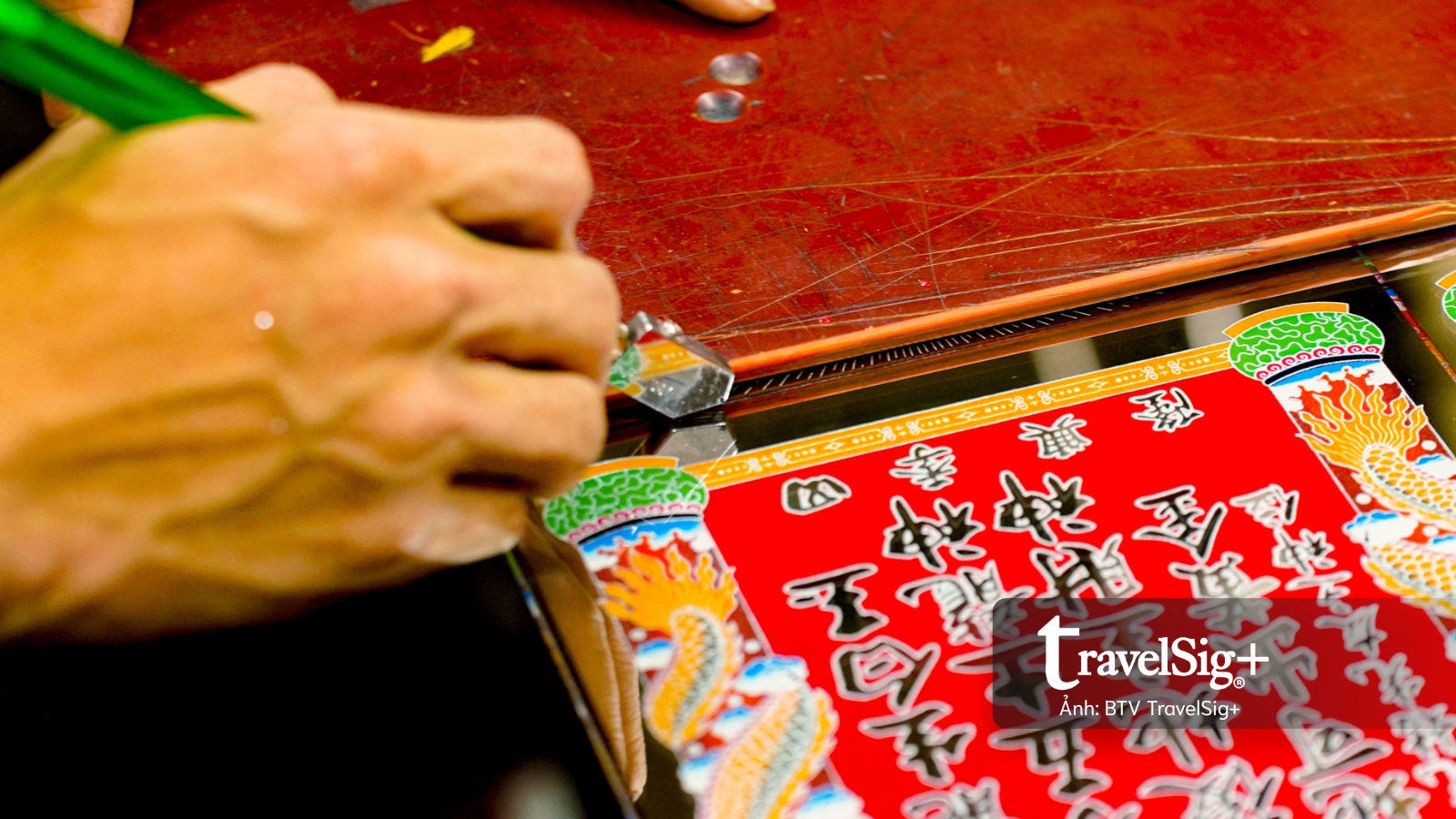
What makes the art form distinctive is its reverse-painting technique, in which the image is painted on the back of the glass. Artists must work in an order opposite to conventional painting, carefully layering lines, lettering, colors and gold or silver foil.
Once completed and viewed from the front, the image appears to lie beneath the transparent surface, combining the glossy quality of glass with the shimmering effect of layered pigments and metallic foil, creating a luminous quality that is difficult to achieve with other materials.
As lifestyles changed, demand for handmade glass paintings declined. The craft is highly labor-intensive, requiring patience and precision at every stage, leaving fewer people willing to pursue it. For a time, Southern Vietnamese glass painting seemed at risk of becoming little more than a trace of the past.
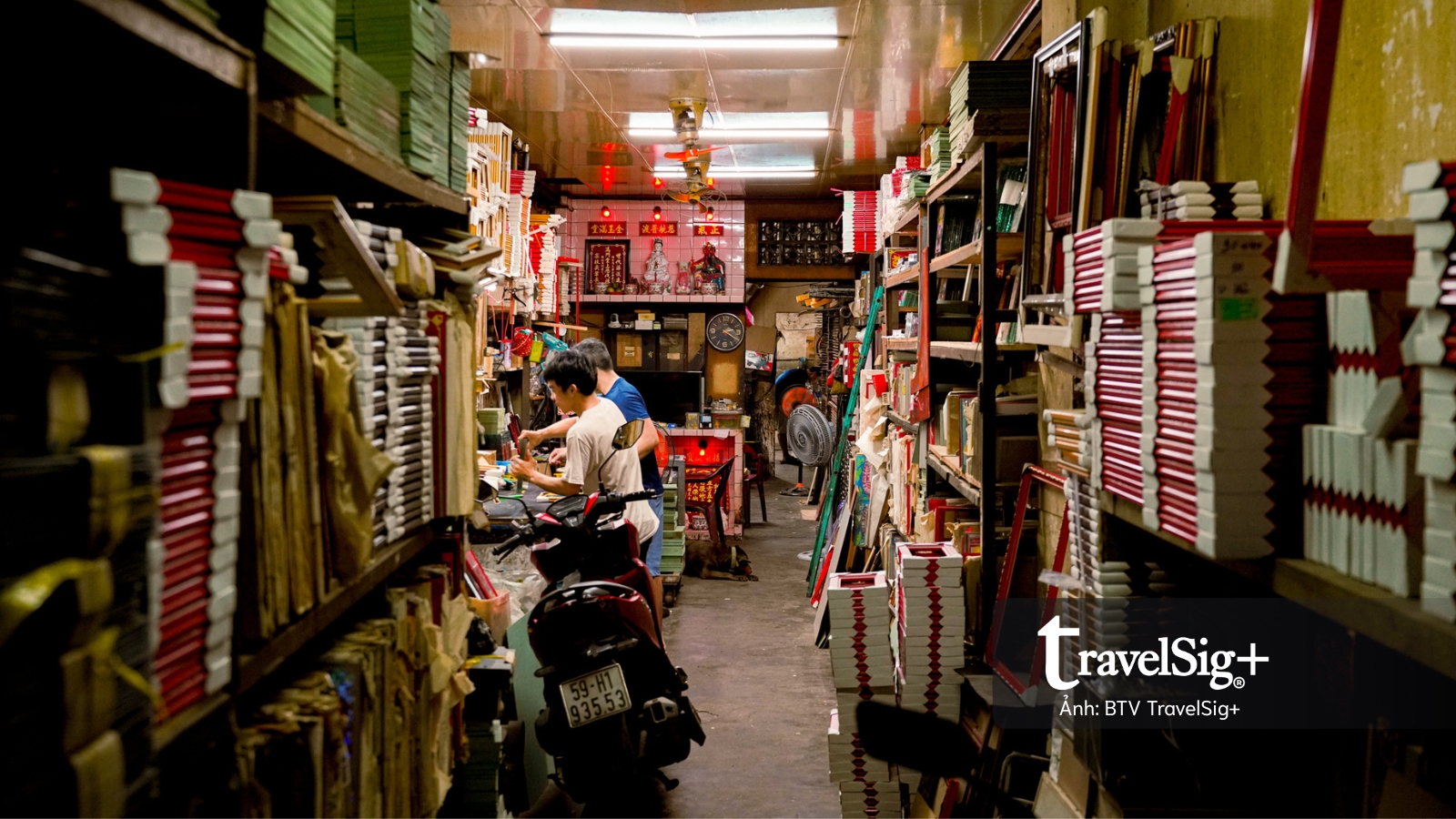
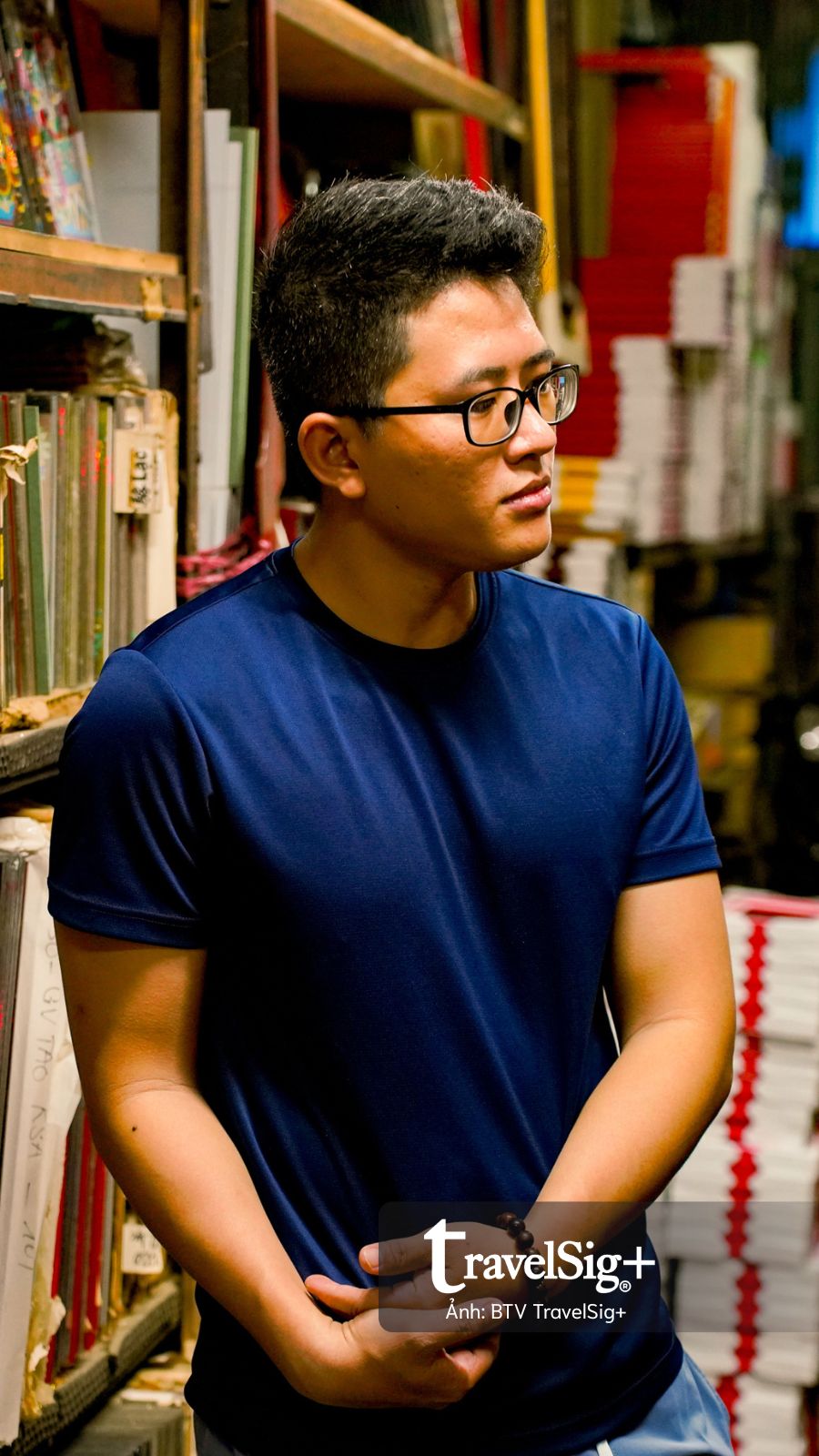
Yet the craft survives in District 5. Anh Tài Làm Kiếng is a family-run workshop with around 30 years of experience. Today, it is run by Minh, the third generation of the family. Tucked inside a modest house rather than a grand storefront, the workshop continues to preserve a small but distinctive part of Chợ Lớn’s visual heritage.
Keeping an old craft alive in new ways
Talking about the story of our glass painting craft, I probably have to start with my grandfather,” Minh said. “He used to paint feng shui artworks. In the second generation, my father - Mr.Cường, who is known in the craft as Tài, worked to improve the traditional engraving technique by introducing a stencil-based method. I’m the next generation to carry on this technique, and I’m now looking for ways to streamline the process and reduce costs amid rising prices".
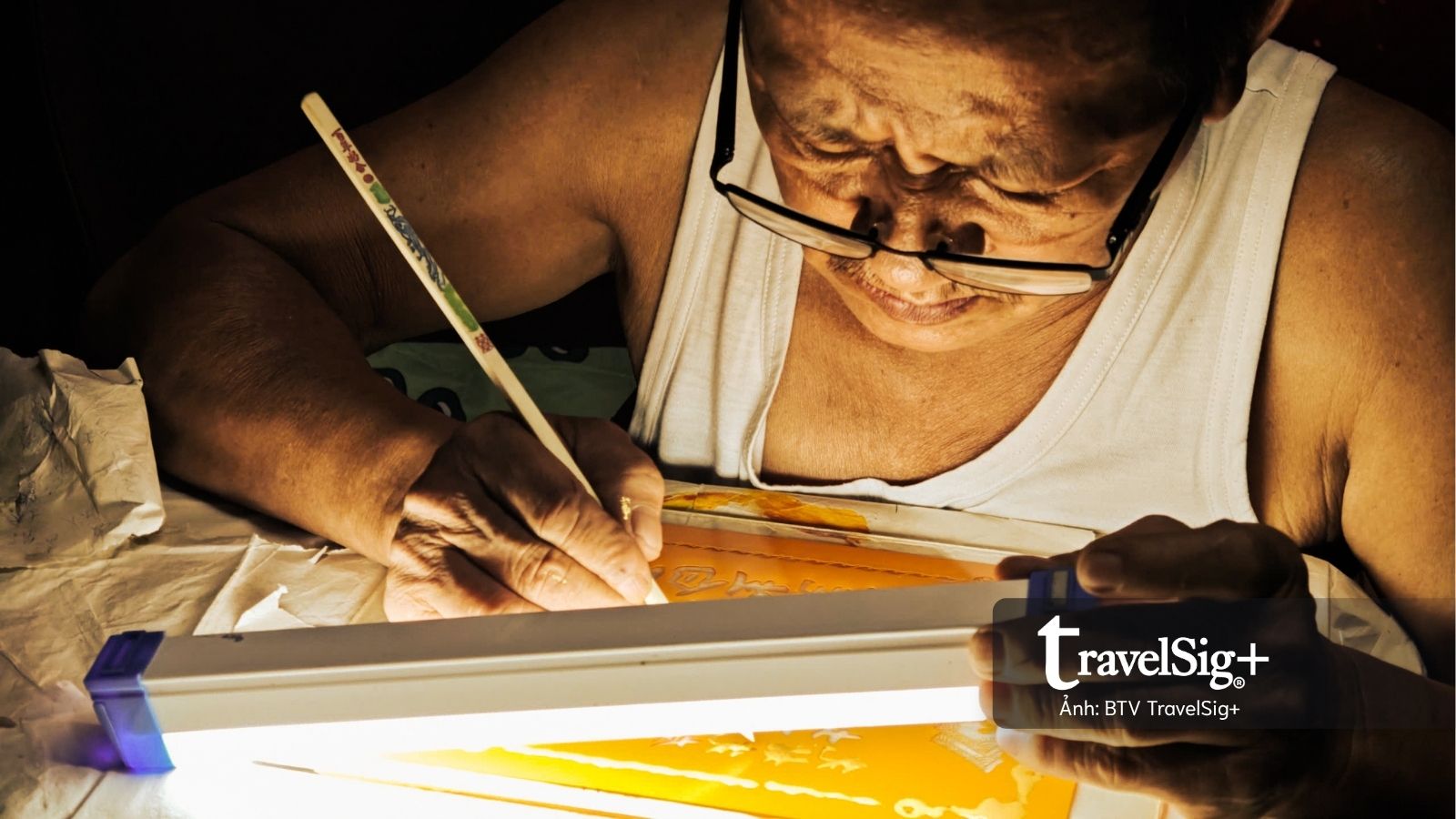
Glass engraving remains an important part of the process. It requires the craftsman’s skill and experience, as each line must be carefully and precisely executed to achieve clarity and a high level of finish.
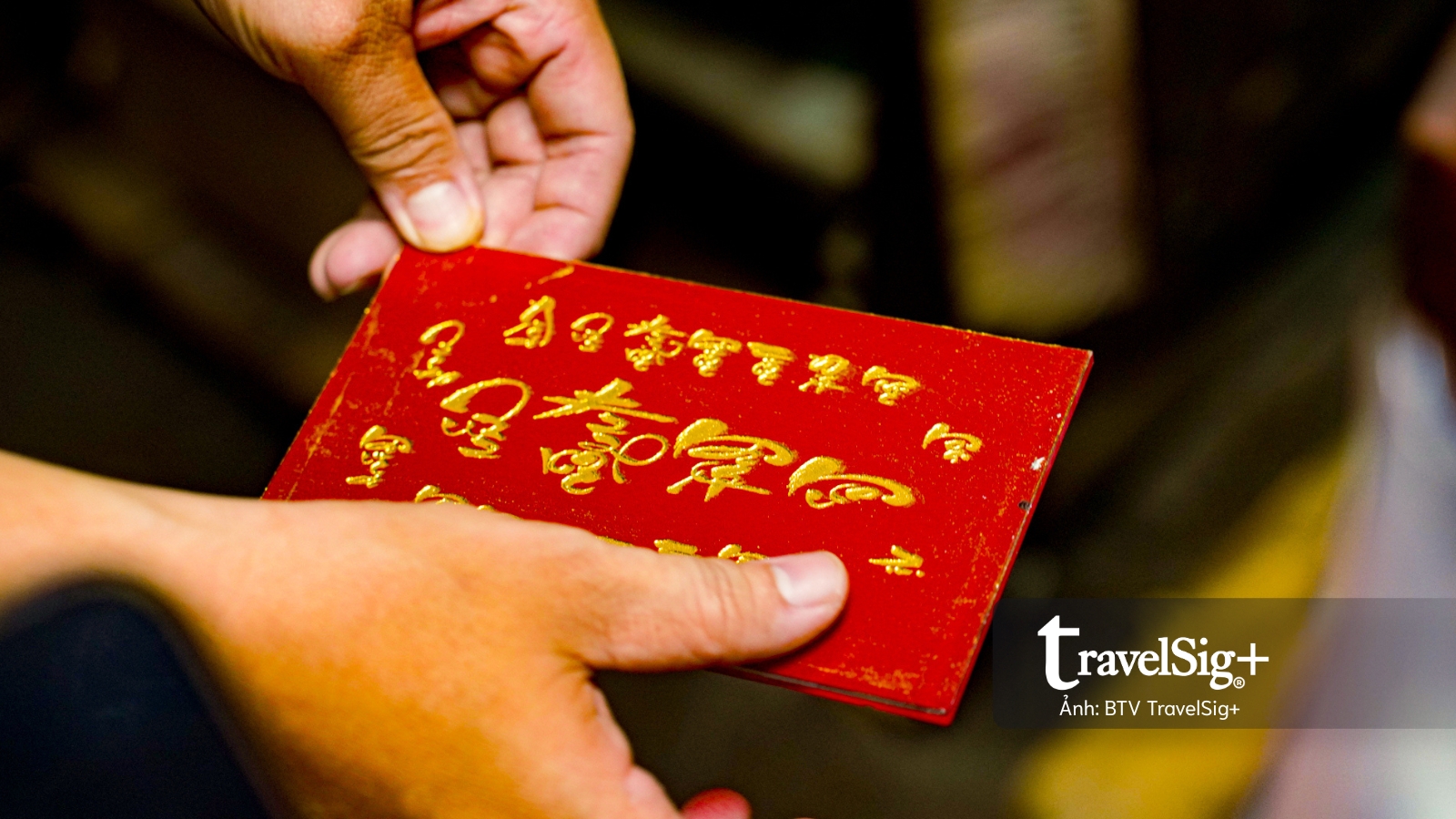
Chợ Lớn glass paintings are known for their vivid colors, particularly red, along with gold and silver foil and the tráng thủy technique, which creates a luminous effect on the paintings. The tradition is also distinguished by a wide range of subjects, from auspicious images to devotional paintings.
At the workshop, Minh explains that the traditional colors and familiar figures such as Quan Âm, Quan Thánh and Cửu Huyền Thất Tổ are still preserved, while the traditional process of reverse-painting with brushes and pigments has been replaced by printing technology to save time and labor, especially as demand is no longer as high as it once was.
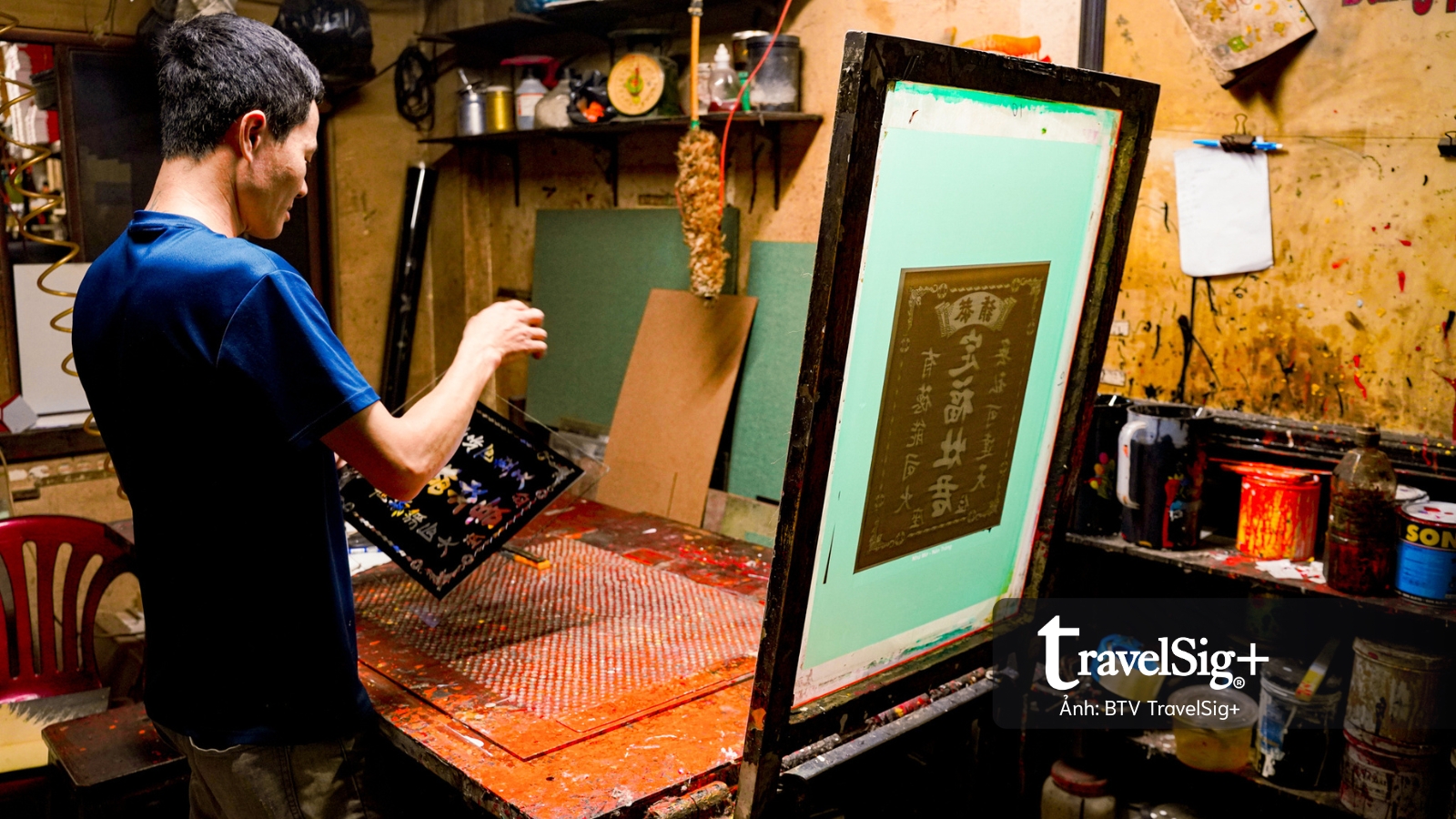
Even Quan Thánh has been given a subtle update. According to Minh, the facial features are redrawn to reflect contemporary representations of the figure. It is a practical way of continuing the craft today: preserving its familiar imagery while allowing certain details to evolve with the times.
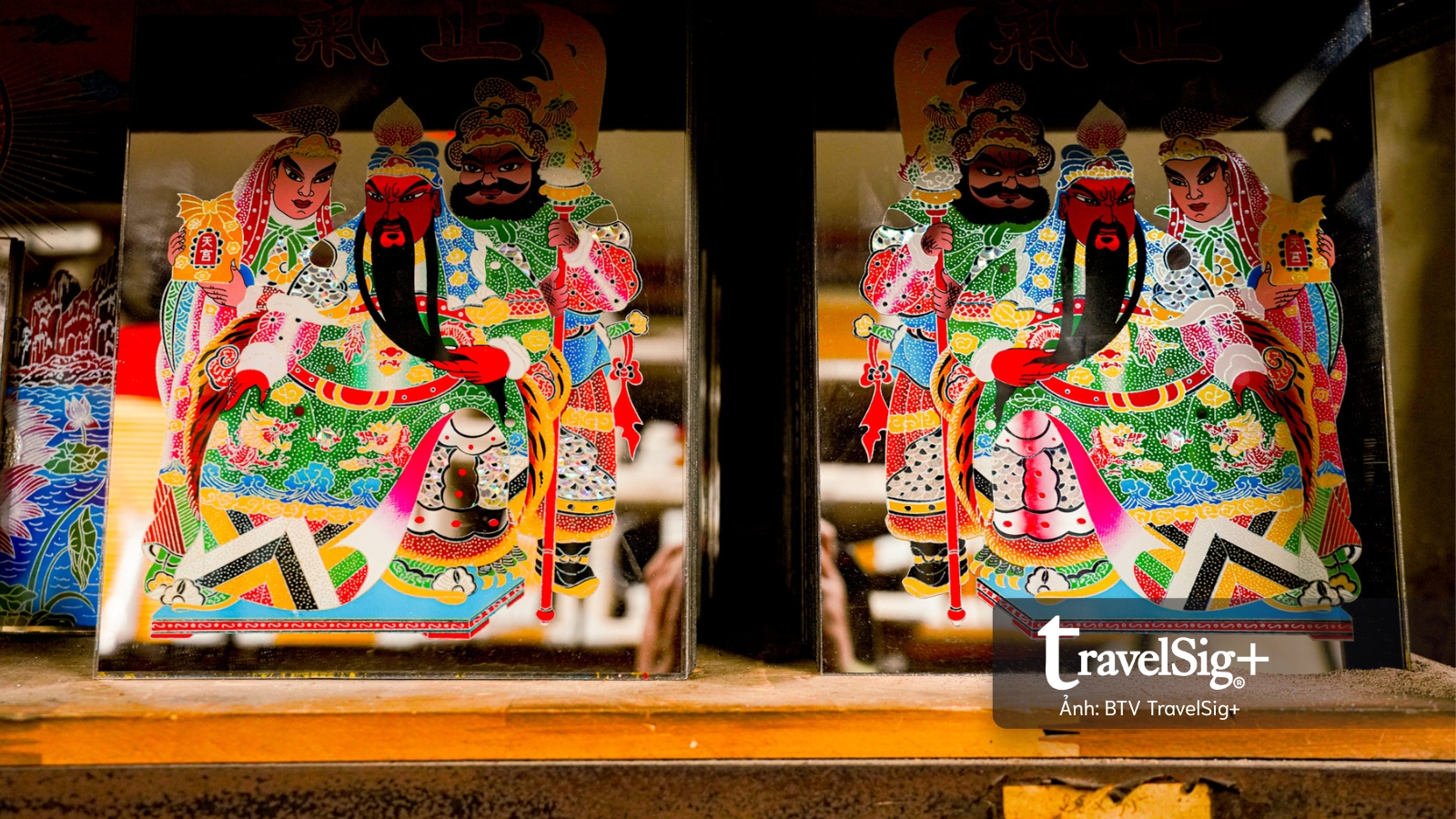
From fading tradition to renewed vibrancy
For Minh, perhaps the most encouraging sign is not the number of paintings sold, but the growing curiosity surrounding the craft.
In recent years, Southern Vietnamese glass painting, particularly the Chợ Lớn tradition, has attracted renewed attention. Young people have visited the workshop to film, take photographs and develop graduation projects related to glass painting.
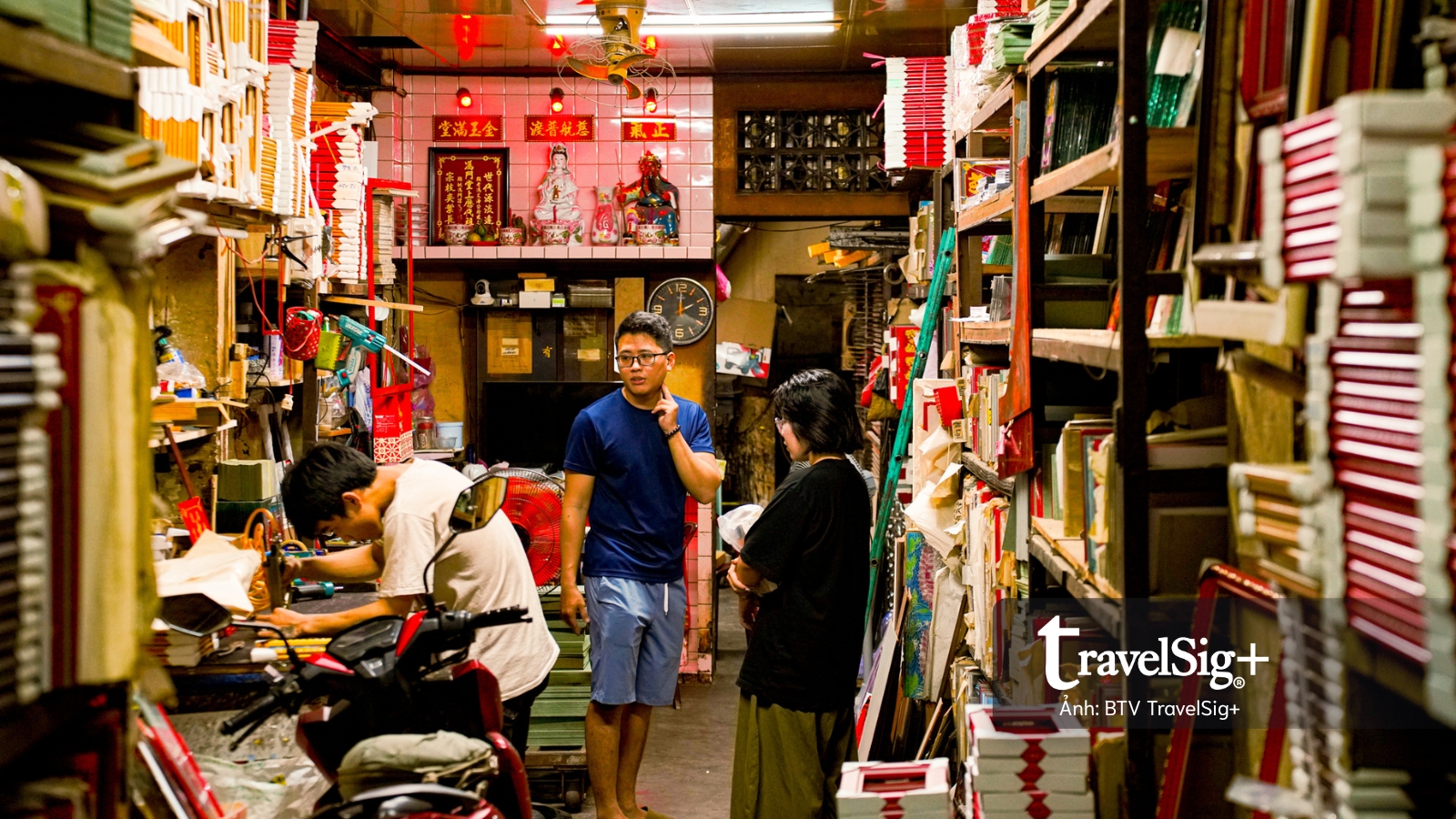
For a small workshop, these visits may seem ordinary. For the craftsman, they are a hopeful sign. As a generation raised among smartphones, digital images and mass-produced goods becomes curious about paintings made by hand on glass, the past finds a new way into the present.
Minh is happy to see traditional cultural values gaining new attention. Chợ Lớn glass painting may not have regained its former prominence, but it is finding a new place and meaning in contemporary life, especially among younger generations.
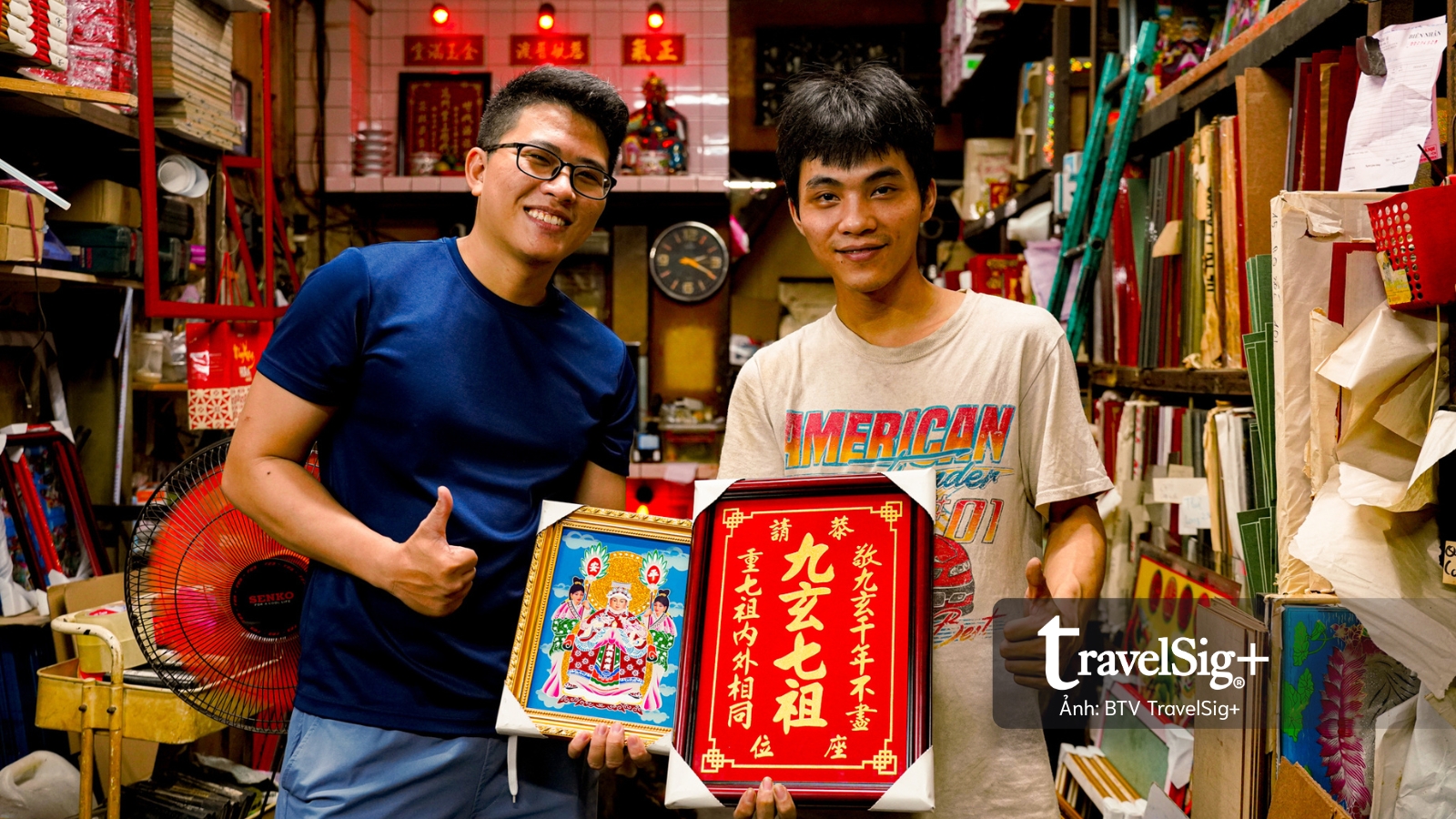
The craft continues in small workshops like Anh Tài Làm Kiếng, where old techniques, familiar figures and new approaches meet. In a city that is constantly changing, the fact that people still care for these old glass paintings-and that a new generation is willing to look closer-may be enough to keep their colors alive.


CÓ THỂ BẠN SẼ THÍCH